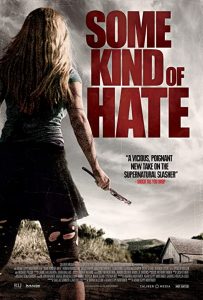
 Some Kind of Hate opens with a scene of high school bullying[1] that culminates in actions that could be categorized as self-defense or as fairly extreme escalation. I know what I think, but ultimately that’s not important. What the people behind the scenes in the movie thought (school officials, parents, the legal system, whoever) is that the bullied kid needed to go out into the desert for one of those homes for troubled teens, we’ll straighten you out, you’d think military academy but not in this particular instance kind of programs. I’m not sure on what timetable they stay out in the desert, but the part where there were 10-20 kids total makes me think it’s not more than a few months.
…not that even a few weeks would have been short enough to save anyone.
See, the kid starts getting bullied again at the straighten you out in the desert place, because of course he does. And then the body count starts rising, because of course it does. But what makes the movie interesting is the number of switchbacks the plot takes on its way to the blood-soaked conclusion, with dark secrets and unexpected turns galore along the way.
As I’ve said elsewhere, there are several spots where the premise doesn’t entirely hold up to close scrutiny, but if you accept every aspect of the premise, the movie that follows from it does a good job of presenting multiple angles of what is at first glance a pretty one-sided issue. More angles than I would (at that initial glance) have thought plausible.
[1] that was being recorded on cellphone camera no less, and I can tell you I have a lot of thoughts about whether that did or could or should have made a difference to the premise of the film
 A small but visible number of movies I’ve watched in the past few years are premised as “what if a haunted house attraction, but bad things are actually happening?” Which makes me wonder, mainly, if these extreme haunts are a thing that really exist. Like, I don’t want to do the thing in this movie where the goal is to probe your psyche and bring you the very worst experiences, because that will… help, somehow? I don’t even know. But someone is actually menacing you with a butcher knife or whatever, and they chase you and things, or… look, I can’t actually imagine any way these could work in real life, which ultimately is my point. But if I’m wrong, someone needs to tell me what is the deal with them, is what I’m saying.
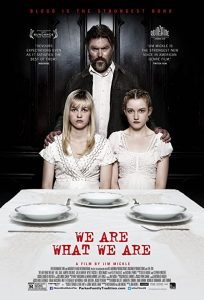 A proposition: if we accept that gothic horror must include a lonely countryside castle, then it (necessarily?) follows that American gothic horror must include a lonely farmhouse in the country. There is even, I believe, pre-photographic evidence of this.
 I finished Anne Leckie’s Ancillary trilogy yesterday, and it comes with a realization that I had completely failed to anticipate what the story was actually about.
 I remember liking
  I found it difficult to classify
 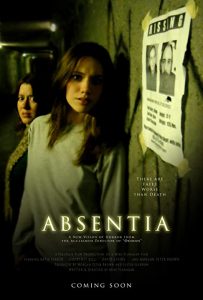 Here’s the thing: if you made a movie about having to declare someone legally dead because they’d been missing for so long that you have to accept that they won’t come back, but you also have to go through all the emotional trauma that you’ve been holding out against for so long, and so you’re packing up to move, you’re filing this paperwork that makes it real but will also allow you to get out from underneath years of crushing debt, and you have to deal with the trauma of that being a main driver of accepting it, because now you can finally get insurance payouts, but still you don’t even know if he’s dead, and you keep having visions of him, evil-ghostly-pissed as you bridge each milestone on the path to it’s finally over, he is now according to the county-issued certificate of death in
 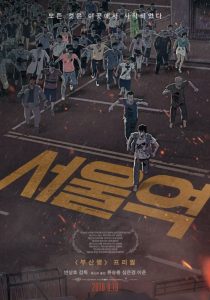 According to the write-up,
 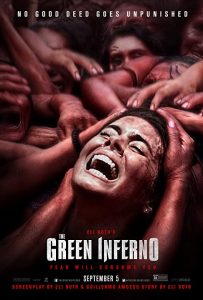 Eli Roth has a favorite type of movie to make, I think, and it is this: young people go somewhere that they should not have gone, and pay the price. Sometimes it’s a cabin, sometimes it’s
 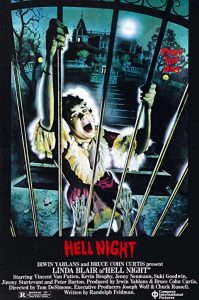 Do they have