The new Walking Dead books keep catching me by surprise. Which is nice, really, I’m not complaining. There I’ll be, scanning my Amazon gold box for cheap stuff that I usually don’t want or need, and hey, another new one! Still, I think it may be a little while before this happens again, so I will bask in pleasedness over the event for a moment.
You can probably tell by now that I’m padding. I have a good reason. The book is great, although not much plot momentum occurs. But that’s okay, because I’ve felt throughout this ride that Kirkman really gets what a zombie story is about. Zombies themselves are mostly boring, and the struggles against them, while interesting enough on both the purely physical survival level and on the mental game-of-chess level in which an entire unthinking world of death is ranged against the few survivors, can only capture so much attention before repetition sets in. But the psychology, the eroding emotional state of people who are thrust into this impossible and deadly world? I just don’t get tired of that, no matter how long the story lasts and no matter how many different versions of it I am presented with.
So you’ll understand why What We Become was so compelling to me, even though there was no real movement on the hinted plan for eventual salvation. But at the same time, I can’t really say anything about the book that the title hasn’t already said. A year beyond the zombiepocalypse, a year filled with unrelenting horror interspersed with only the sparest patches of peace and contentment, and it is time for the characters to take stock of their place in the world, an emotional dipstick measuring the dregs of their humanity. But no matter how bad things may seem? They’re still alive, and in Kirkman’s world, that may be the only measure anyone is still capable of taking with any true accuracy.
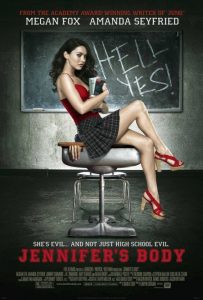 This was not the movie I expected. I saw previews in which the freakishly hot Popular Girl and the attractive but movie-mousy Best Friend have a power-based friendship that devolves when the hot chick is revealed to be a vampire, and I was pretty sure I’d be seeing a horror-slanted riff on the darkly comedic high school ground broken by Heathers. Coming out of the theater though, I can better relate it to the cinematic version of Buffy the Vampire Slayer that Joss Whedon disliked so much. There’s still a little black comedy, sure, but it’s pretty much an even split between an actual horror movie and an over-the-top zany comedy.
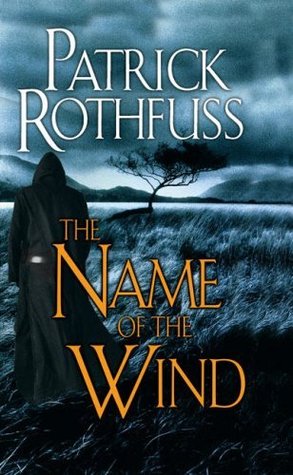
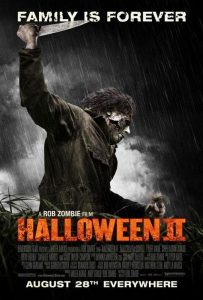 This right here is a difficult review. Because I’ve just reviewed