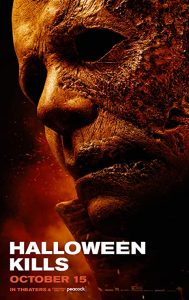
 From a plotting perspective, Halloween Kills is very obviously the middle chapter of a trilogy. That is to say, very little happens that is irrevocable (cliffhanger climax excluded), but everything is moved into position from the first episode, which was written to be a complete story just in case sequels weren’t greenlit (cf Back to the Future or Star Wars), to a place where not only was the story not over after all, but now we’re itching for a satisfying conclusion. This is simply the way these things are done, and except for how much you care or don’t care about specific characters and what happens to them, it’s functionally impossible to spoil, because it came that way, you know?
The commentary it was making was pretty compelling, though. Well, stay with me here. Lunatic mob in search of a killer is not new ground, I admit, nor is the “but what if they’re wrong?”motif, but I will say that there was good tension in my waiting every other scene for a good guy to shoot a different good guy, for example. And I very much like what was done with Tommy and Lindsey, the babysat kids from the original film. Anyway, my point about the A-side commentary the movie is making is that a well-worn message about the dangers of the mob, moderately well-presented and with characters you have some history with, it can be a good reminder instead of a used up cliche.
But the B-side commentary leading into the future third movie, man, that I’m excited about. Slasher movies work like this, you see: they are set in the real world, where supernatural occurrences do not exist. And so when you have your jasons out in the woods, and they get shot or stabbed or electrocuted or burned down in a house, over and over again, but they still keep getting up and implacably following their victims, it gets handwaved away as maybe they weren’t shot that well, or only the audience saw everything that happened and so the characters don’t know to question things. And in sequel after sequel, these deathless killing machines continue to seem like they maybe should have died by now, but it never happens, and that’s just how it is.
But in this movie, someone has finally given voice to the idea that, uh, why isn’t Michael Myers dead? Have you seen the shit we’ve done to him, collectively? Maybe something else is going on here. And my point is, I am really and truly excited for a sequel in which the real world rules slasher victims are finally willing to sit up and take notice that something supernatural has to be going on here, nothing else makes sense, and so, now what do we do??
 Since I saw
 I almost wish
 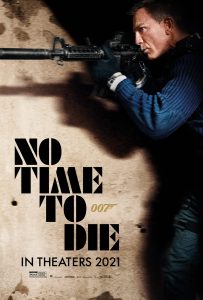 I’m still not entirely comfortable with the fact that all of the Daniel Craig Bond films have shared a continuity and an ongoing story arc. I mean, yes, it’s great from a storytelling perspective. But it’s not really how James Bond movies work, traditionally?
 I still don’t understand why games that are roguelike are named after the original game of that style, Rogue, while games that are Metroid-like (ie, exploration-platformers with boss fights and power-ups) are named after more than a decade later when Castlevania did the same thing, and someone decided they were equivalent and everyone else agreed. It’s just not right.
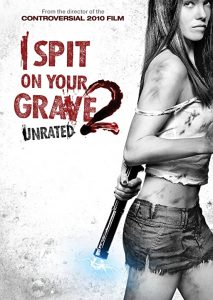 The thing that made I Spit on Your Grave[1] more than torture porn [before that was even a subgenre] is the novelty. There aren’t many lady revenge stories, and fewer that are violent in the way that dude revenge stories are violent. As such, it has both the typically female strength storyline in which a woman who has faced, uh, let’s say adversity is able to rise up from circumstances that would destroy a man[2], and then it follows that up with the direct, bloody revenge that has, as I said, been a traditionally male-dominated arena.
 I hate it when research disproves a theory that superficially matches all available facts. See, the main thing that
 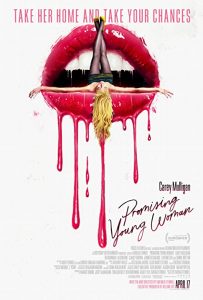 Every movie I watched in early 2020, according to a memory that is at worst only slightly flawed in this regard, had a preview for
 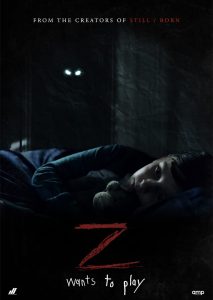 Shudder served me up a more bog standard traditional horror this time, and I’m maybe a little disappointed by it? It’s not that I’m itching to become a giallo aficionado or anything. It’s just that horror in the ’70s is so good. If I were the kind of person who got paid for this, I might call it raw so that I could proceed to call it visceral as well, and be proud of myself for the pun. But what I really mean is, that was when the genre first spread its wings. You had a little blood and a lot of screaming and maybe some goofy eastern European accents, or maybe you had rubber-suited “monsters” or perspective shots and miniatures to make every day critters giant-sized. But the ’70s is where the technology improved and at the same time the censorship limits were removed, and the field just exploded in every direction. By 2019, horror movies are often a lot more polished, but they’re also more prudish and maybe a little dead inside, from that sweet sweet studio money.