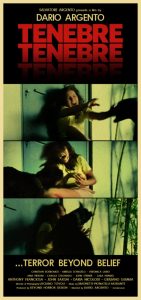
 I have just spent upwards of seven seconds contemplating why I would select horror as a tag after also selecting thriller, given that the main feature of both of these genres is that some murdering[1] happens. In the case of Tenebrae[2], the reason for the distinction is that many of the murders are over the top violent. …I mean, not by modern standards. They’re mostly pretty tame? But by 1982 standards, it’s easy to tell that something hardcore is happening. And hell, in at least one instance towards the end of the movie, it was modern standards hardcore, albeit without modern special effects to seal the deal.
Other things I learned while watching “Latin word for Darkness” include: a) there’s a very specific feel to movies in the ’70s and early ’80s, partially attributable to the lack of steadicam, where the credits will always feature the study of a skyline as some character traverses some city; b) you can apparently ride your bike on the highway to JFK airport, controlling for what decade it is; c) bras do not exist in Rome; and d) Dario Argento knows what’s up.
Seriously on that last point. I have rarely seen a movie tip so far into “why does this scene even exist?” territory only to suddenly justify itself, much less multiple times in a row. Bravo, sir.
Also: seriously on that second to last point. …bravo, sir.
[1] Well, even that’s not an absolute. Sometimes the dying in a horror film is not attributable to murder.
[2] and maybe in the case of most giallo films? Here is where I will not pretend that I completely understand this (let’s say) rich and vibrant Italian subgenre.
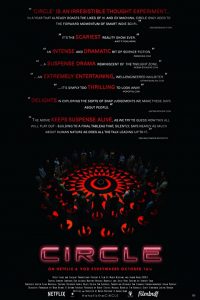 Outside of it showing up on one of the random tabs of movies that Netflix wants me to endlessly scroll through, I have never heard of
 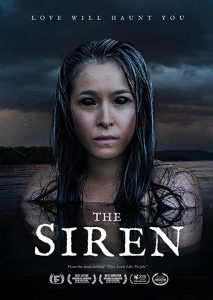 Remember when Harry Potter and the Philosopher’s Stone was released as a book in America? You do not, of course, because some publisher decided we were collectively too stupid to understand the reference and/or to look it up, and gave us a made-up, dumbed down version instead.
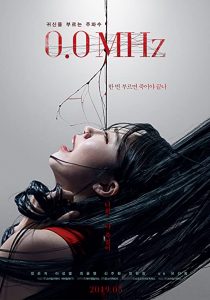 “Zero point zero megahertz is the frequency at which a person’s soul meets a ghost,” someone technobabbles in like the third scene of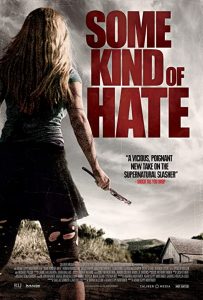
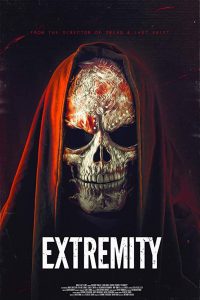 A small but visible number of movies I’ve watched in the past few years are premised as “what if a haunted house attraction, but bad things are actually happening?” Which makes me wonder, mainly, if these extreme haunts are a thing that really exist. Like, I don’t want to do the thing in this movie where the goal is to probe your psyche and bring you the very worst experiences, because that will… help, somehow? I don’t even know. But someone is actually menacing you with a butcher knife or whatever, and they chase you and things, or… look, I can’t actually imagine any way these could work in real life, which ultimately is my point. But if I’m wrong, someone needs to tell me what is the deal with them, is what I’m saying.
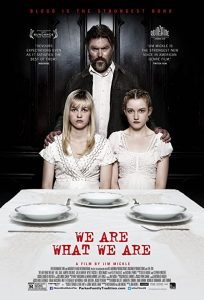 A proposition: if we accept that gothic horror must include a lonely countryside castle, then it (necessarily?) follows that American gothic horror must include a lonely farmhouse in the country. There is even, I believe, pre-photographic evidence of this.
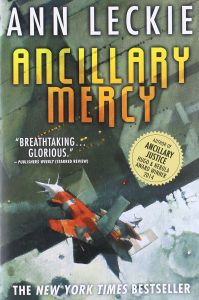 I finished Anne Leckie’s Ancillary trilogy yesterday, and it comes with a realization that I had completely failed to anticipate what the story was actually about.
 I remember liking
  I found it difficult to classify