Tag Archives: Silo

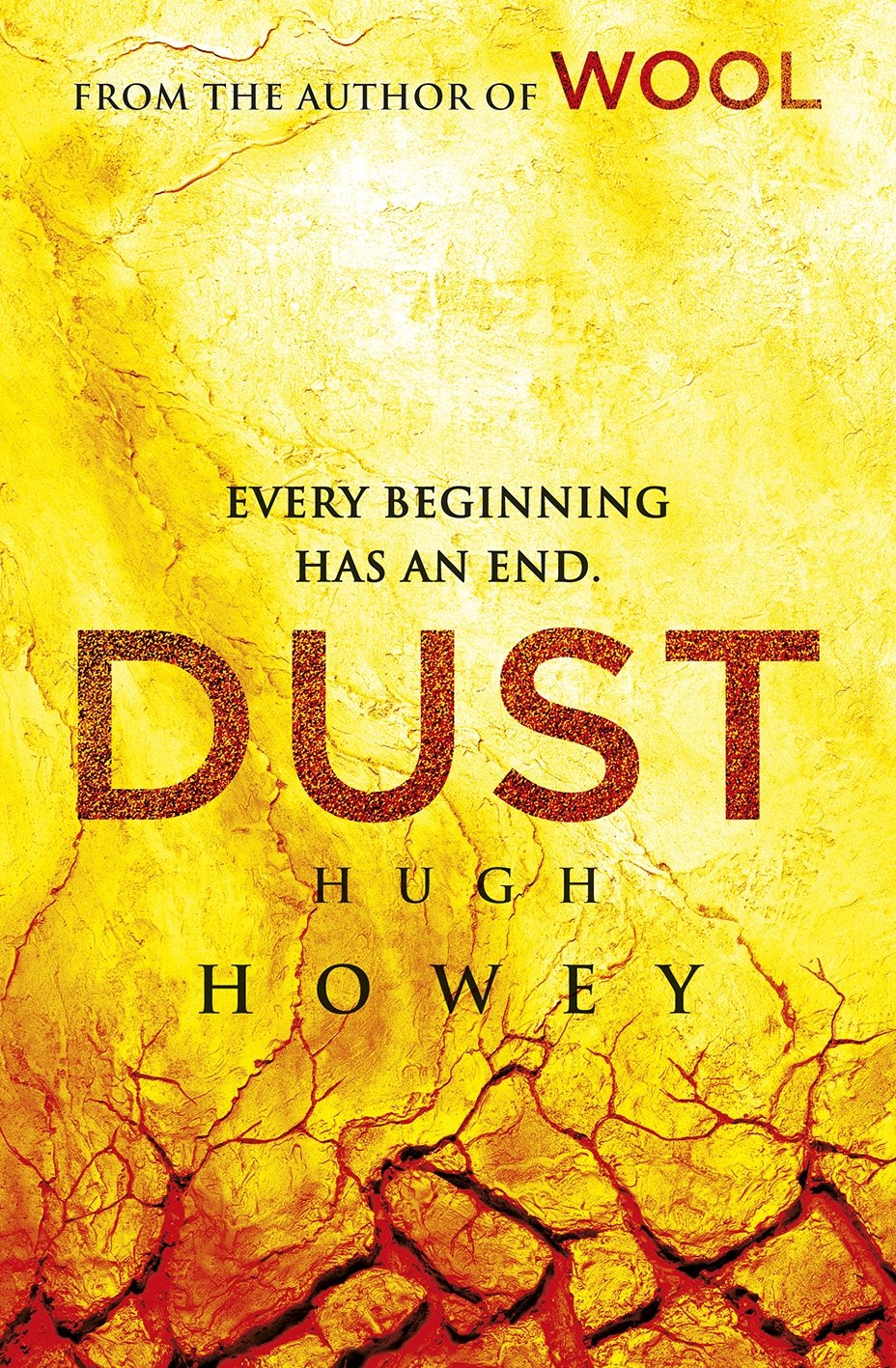
Dust

I have officially finished a series of books! That doesn’t happen much, mainly because of how I don’t read enough, but for other reasons too. In any case, noteworthy!

This time, it was the third book of the Silo series, Dust. And, you know what? It is definitely a conclusion to a story, with satisfying logical, logistical, and even emotional beats. But… it was also kind of overstuffed. I’m going to use an example from the story that is pretty much a spoiler, but if I disguise it by not naming any names or concrete details, I think it should mostly fly.

So, a bunch of people are escaping doom, like let’s say 1% of the people in the doomed location escape to somewhere else. Due to happenstance, some of them are religious nuts. So the first thing the religious nuts do is go all Handmaid’s Tale and forcibly select women for the men to marry (also forcibly), even women who qualify as underage, or wildly underage. And then someone shows up with a shotgun to resolve the situation. And it’s pretty realistic, both the horrific human behavior of people unhampered by rules and the part where those same people can be easily cowed under the correct circumstances. So it’s not that I disputed the realism of the vignette. But I dispute the utility of throwing in that kind of complication so late into a series that is about to end, and I paradoxically also dispute making it so easy to resolve, if you were going to monkeywrench it into the story like that in the first place.

This did not ruin the book for me, but… it kind of felt like someone trying to write their way out of a corner and stalling for time, and then not having an editor to correctly excise those bits once the corner had been escaped. But that’s the important part. The corner was escaped, and the story ended on a satisfying note, with a clear indication that there’s a lot more story left, even if it will never be (and should never be) written. Is this how all stories should end? Nah, lots of times “and they lived happily ever after” or “and he surveyed the lands he had destroyed with no small satisfaction” is the way to go. But I like stories that can pull off the “lived in, living world that you can imagine what’s next however you like” endings quite a lot.
Shift

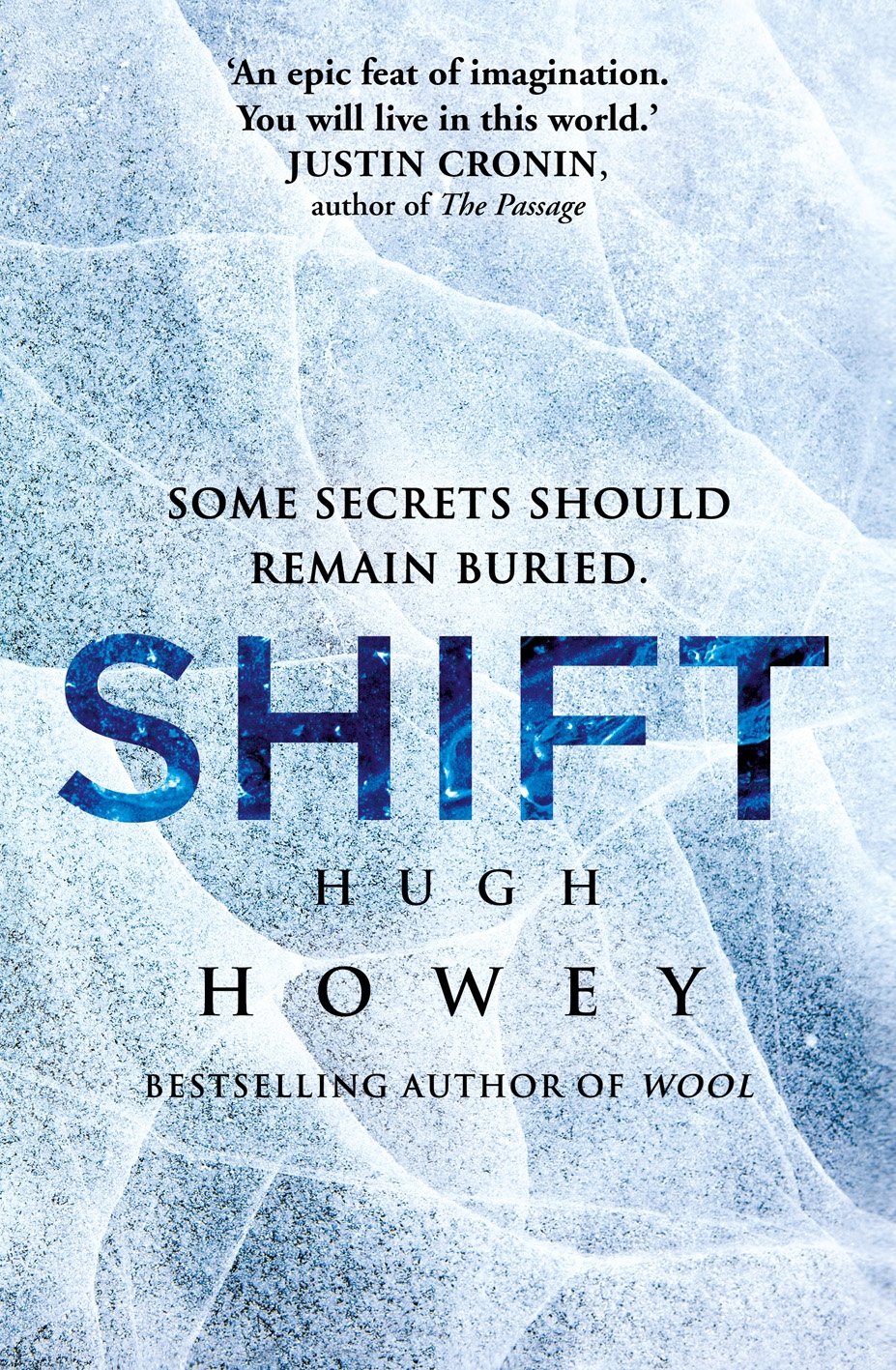
Not especially long ago, I read Wool, in which Juliette Nichols finds, and then exceeds, her limits[1]. The second book of the trilogy, Shift, goes back to the very beginning to provide several hundred years’ worth of context about Juliette’s silo and everything that surrounds it.

It’s hard to say anything more, due to massive spoilers. But I can think of a few things. First, the elephant in the room. I am on record for believing that the story I watched on TV and [mostly believing, at least] that I read in that first book did not require a specific apocalyptic backstory. It was enough to know that an apocalypse had occurred, and all that was necessary was to look forward. Having read the second book, with precisely the apocalyptic backstory under discussion… I 95% stand by my original assessment. I firmly believe a good, compelling story could have been told with nothing more than a handwaved “and then we nuked each other”, for example.

However, I would be remiss if I did not say that the apocalyptic backstory that has been provided is pretty damn compelling itself. Yes, there’s a little too much love triangle subplot that I’m not wholly sure added anything emotionally, and could structurally have been solved via different means, but that’s not really the point. The point is, necessary or not, the story of how Juliette found herself, wool in pocket, at the precipice of a much wider world than she could have imagined and yet so much narrower than the reader might have? It’s a good story, and I’m glad to know it.

[1] In most of the potential ways that could be taken.


Wool

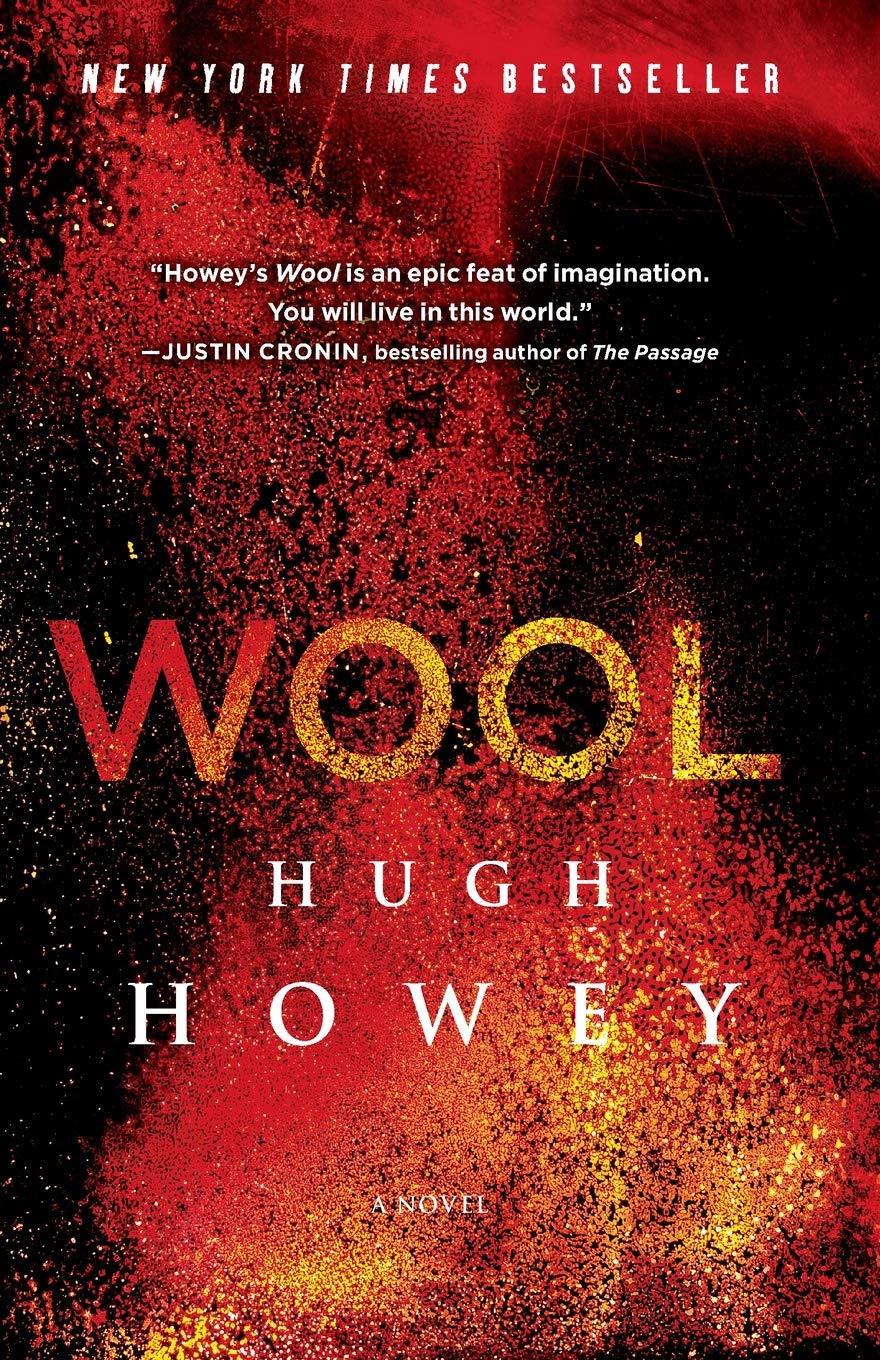
There’s this show on Apple+[1] called Silo. The year it came out (2023 maybe?), I called it the best sci-fi on TV, and I stand by that assessment. A long time later, albeit by my standards pretty rapidly, I’ve picked up and read the first book in that trilogy (which covers the first two seasons of the show).

Wool tells the story of a, well, a silo. It is underground, some 140 or so levels into the earth as measured from the up top, through the mids, and into the down deep. It contains a large but necessarily limited number of people. They all have jobs (porters who run things up and down the silo, mechanical who keeps the generator running, farmers, doctors, a sheriff, IT, even a mayor), and eventually everyone in every job has a shadow, learning to do that job from the previous generation. It is a perfect closed system, and nobody ever leaves.

Well, that isn’t quite true. There’s an exit, right next to the jail cells in the sheriff’s office on the top level. The exit leads up a ways to the surface, where there’s a door to outside, and cameras in all directions surround the door. Those cameras show an utterly destroyed landscape in greys and browns, with constant windblown particles, constant rushing clouds in what might otherwise be called a sky, a decayed city full of what are no longer skyscrapers in any useful sense off in the distance, but with a ridge that prevents view of anything nearby. The silo is in a depression, is what I mean. The view from these cameras is shown in the nearby top-level cafeteria, a warning of what leaving the silo would mean. And yet, if anyone asks to leave, they are not only allowed to do so, but by law must. The only caveat is that they are asked to clean the cameras when they go out, since the view is forever being worsened by the blowing dust. For this, they are given a square of wool. Anyone who goes out does clean, even those who swear they will not, and anyone who goes out dies within minutes, soon enough to become a part of that pre-ridge landscape, a warning that it is not yet and may never be safe to go out.

I’ve already said rather a lot, so I’ll stop here. Either that description grabs you and makes you want to know where a story would go in this setting, or it does not. But I have a few pieces of additional commentary relative to the show. The main one is, for better or worse, the voice of Juliette and the voice of Deputy Marnes are just irrevocably overwritten into the voice of their characters in the book. I think probably for better, in both cases. The second is that most of the changes made for the show were probably improvements, even if they stretched out the story a bit. (Plus, some of them might turn out to be due to retcons for future books I’ve yet to read.)

Lastly… well, this one is complicated. I must say first of all that Wool is a complete story in itself. If nothing else had been written, I would be completely satisfied by its ending. That said, in discussions online about the TV show, I was lambasted for not really caring what was the source of the disaster that led to these people being trapped in this silo. Like zombies in that flavor of apocalypse, the blasted landscape is setting. Who cares why there are zombies? There just are, the story is influenced by the setting, the setting is not a part of the story. And honestly, I stand by that assessment. This book being a complete story in itself just proves to me that I was right.

However.

I will say that the book managed something the TV show did not, which is to make me interested in finding out how we got here after all. Cleverly, therefore, book two is all about that, and I suppose I’ll read it pretty soon.

[1] the streaming service whose name I may or may not have correct