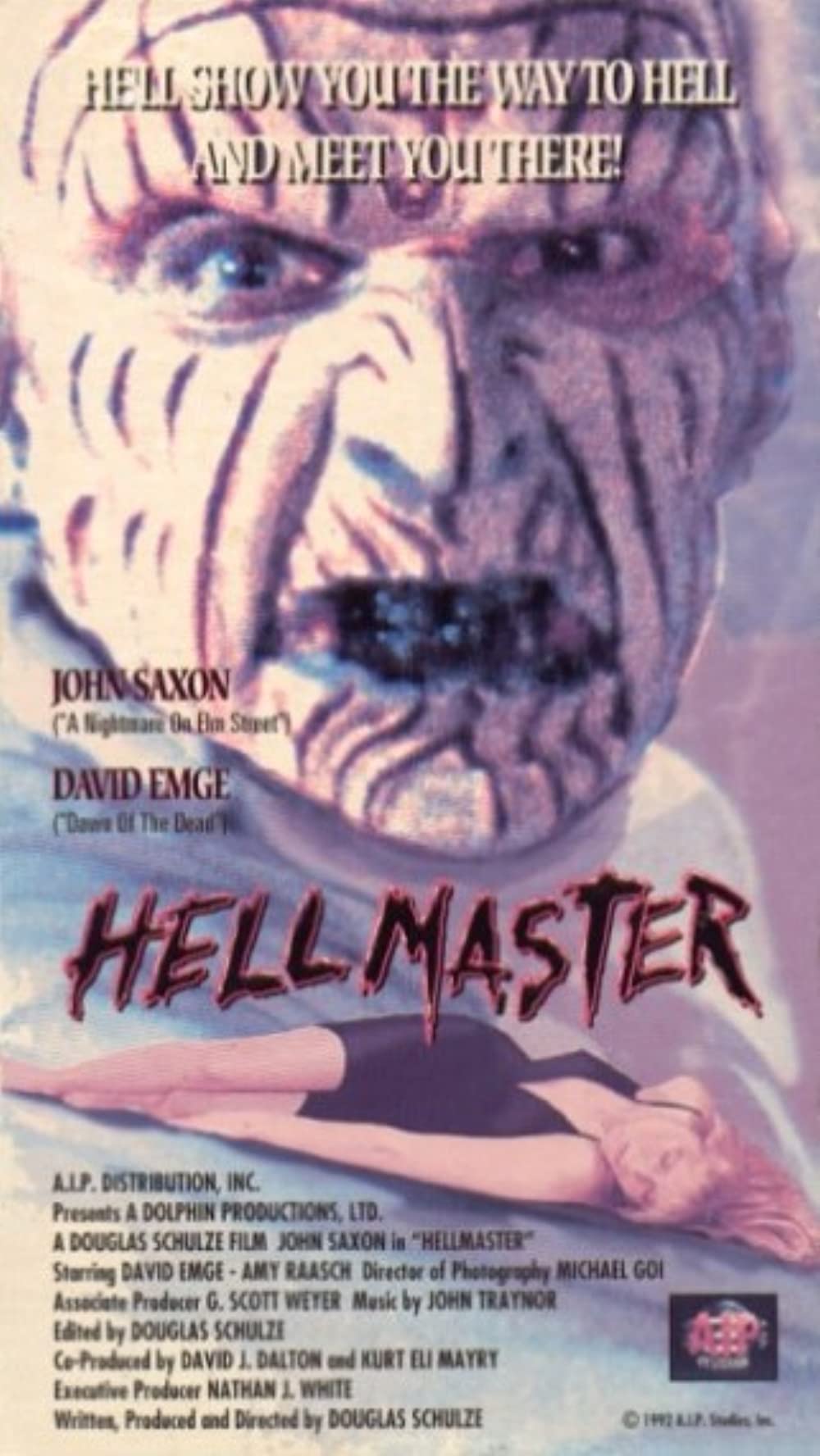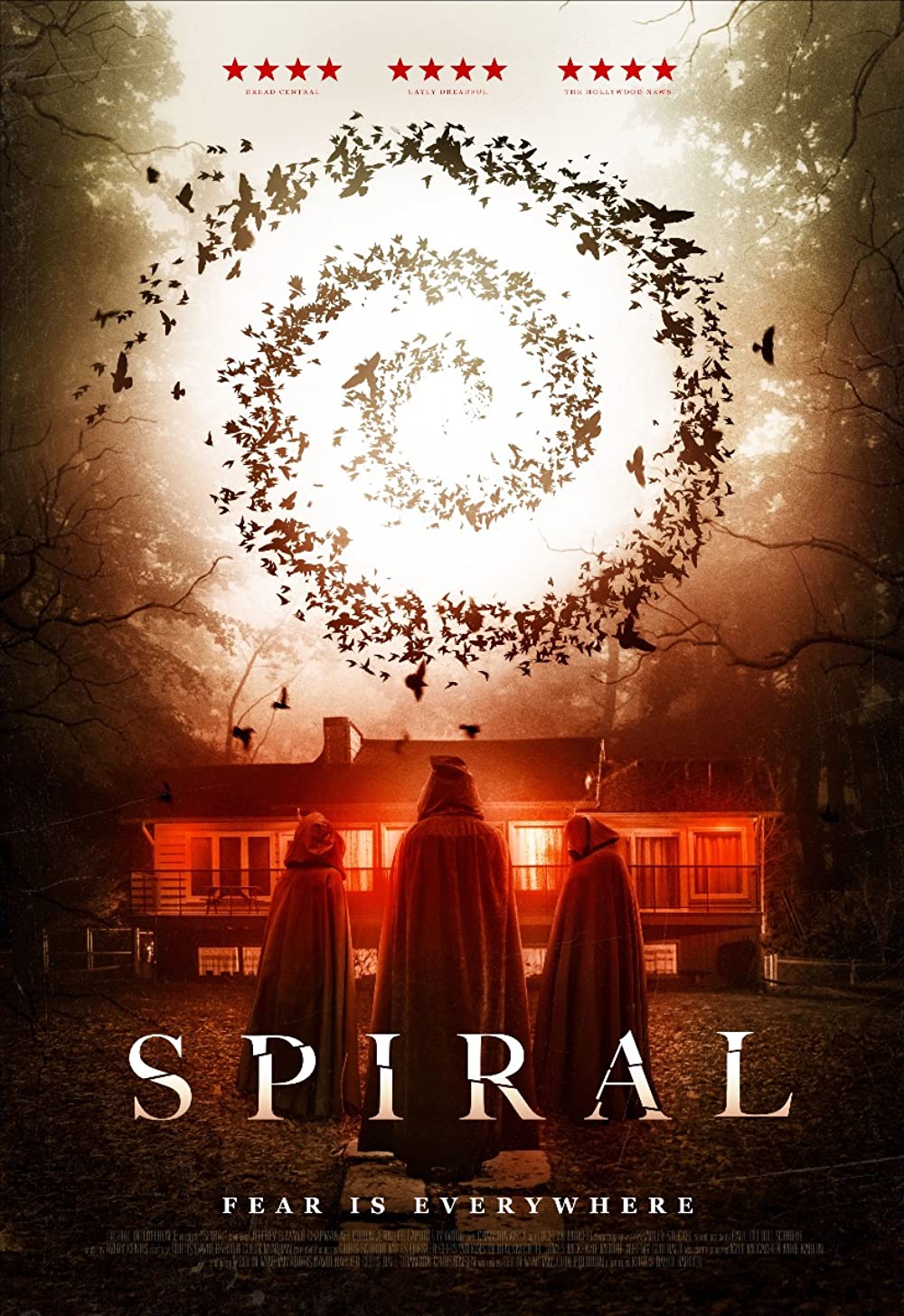
Once upon a time, the horror movie flourished across the land. It was a magical decade called the 1970s. Chainsaws, flamethrowers, butcher knives, axes, gas masks… anything you wanted, as long as it resulted in dead teenagers, it was fair game. But then: disaster! The drive-ins closed, for some reason, and there was no longer a place for the horror movie to exist. Or was there?!
And then, in one of nature’s cruelest ironies, the horror movie discovered the VCR. Because, what you’d think is: hey, a way to survive! But what actually happened was, there were millions of VCRs, instead of thousands of drive-ins, and everyone knows that capitalists abhor a vacuum. Which meant, so many horror movies got made. And they were…. not good. I mean, of course some of them were, but by and large, they weren’t.
By the mid ’90s, the horror movie tottered on the edge of extinction. But then, something incredible happened. Scream was a post-modern, snarky, thoroughly Gen-X deconstruction of the past two decades of horror movies. But not only did it make fun of everything around, including itself, it simultaneously brought back the mystery part, and it did it extremely well. Who was the killer? Was it even possible to figure it out? It wasn’t, but best of all, not because the movie cheated. It was impossible because it was playing by a new set of rules that nobody had ever heard of. And suddenly, it was okay to like horror again. Which meant it was okay to make horror again. Mostly not big budget multiplex horror, as the studios were still feeling burned by the crash, but small screen, curated, indie horror? Easy to find, and even better, easy to find stuff that was well made[1] and that was penned by people who understood the way the genre was supposed to work.
None of this is a review of Scream, which somehow managed to have the same title as its 25 years earlier predecessor (and, in true Scream fashion, made fun of itself for doing so). But it also put a name to something I was just discussing here, about the trend of bringing horror movies back to their original roots, even after multiple sequels or remakes have been made: this was a requel, which is to say, a reboot that is also a sequel. You have the original characters, but you also have a bunch of new characters, and you have the same title, and you’re basically making the same movie you made 25, or 40, or 45 years ago.
And that’s the deal. As Koz put it: if you liked the original movie for its metacommentary on the horror movie, and if you are okay with requels, this thing is pretty much A+ primo. Even though Wes Craven has shuffled off, and was well memorialized here, the people who are still around still know what a Scream movie is and what it should be doing.
Also: this is the first and probably only movie I’ve seen that went out of its way to make fun of the people who hated Star Wars Episode 8. (I don’t mean the people who quibbled with its runaway sharp divergences from the previous movie even though it was nominally part of a trilogy, I mean the people who hated it. You know, because all their heroes were no longer perfect and they maybe should have been listening to the ladies instead of being dumb luck Star Wars heroes. Those people.) The fun-making was well-deserved, and will probably not be noticed by anyone who should, and would not be listened to if they did. But I quietly snickered to myself.
[1] I’m being unfair to the ’70s, here. Because plenty of horror in the ’70s was shoddily made at best. But it always had heart, it was made by people who were living out their dreams. What came later was a nonstop cash-in, and it showed.
Somebody[1] watched Halloween (
Framing device for a horror movie compilation: people walking by a Bijou-style single screen theater see that the movie showing on the marquee stars themselves, so they wander in and watch it. Also, Mickey Rourke is there running the projection booth and being super judgy to the people who have come in. Later, they individually watch their movies (inverted teen slasher, I see dead people, demonic possession, another one I can’t really describe well[1], and one I forgot entirely except I had more time to think during the footnote, and it was body horror I guess?) while Mickey Rourke gets more judgy, and then at the end, he’s not judgy about someone, for reasons that eluded me.
I wonder if there’s a useful distinction to be made between found footage movies and webcam movies. The latter is clearly a subset of the former, but in the age of Covid, there has been an explosion of the webcam footage type. The benefits are obvious: actor separation, no camera man presence, no director presence, set dressing can be done by the actors or at least prior to their presence. I’ll admit, I’m not perfectly clear on how ghostly cabinet slams and other movement based special effects are handled. Maybe by radio control?
I’ve reviewed at least
I have seen a lot of kinds of movies, and I have especially seen a lot of kinds of horror movies. This is probably a thing you’re aware of, but I feel the need to state it baldly just so my next pronouncement has the proper impact.
To my surprise, a third
I just got extremely lucky[3].
I know very little about Vampirella as a character, save that she exists and dresses… provocatively, let’s say. However, I know a great deal about Cassandra Hack, so I am qualified to speak on two thirds of the factors that went into this book.
So, what I knew about