Category Archives: Film

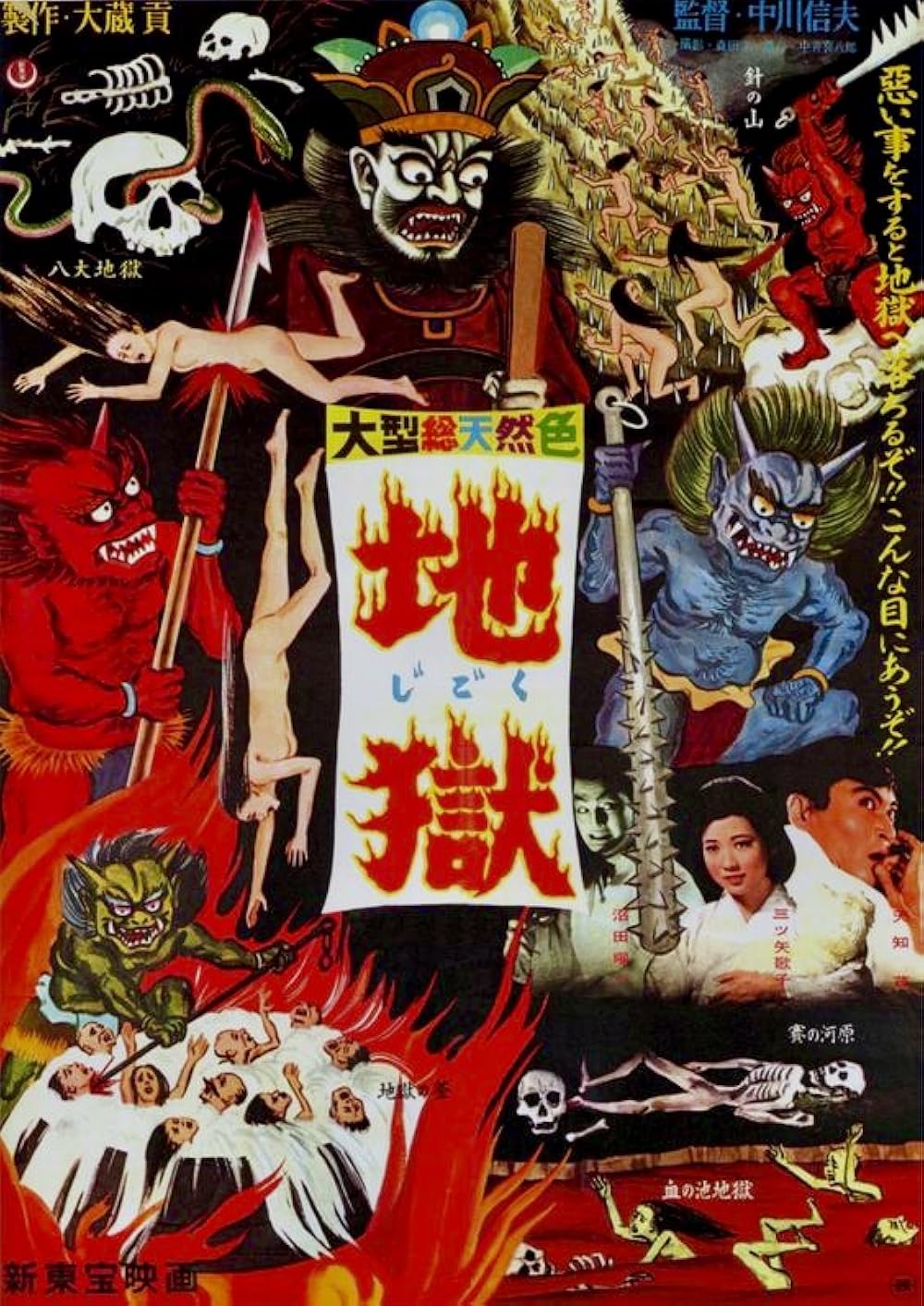
Jigoku (1960)

This week’s approximately 4 year-old-podcast movie was Japanese and 1960s, I am pretty sure? The latter is the slight uncertainty. Anyway, Jigoku is… not precisely weird, so much as foreign. So the first thing that happens[1] is a bright young college kid who is marrying the professor’s daughter and in all ways has the perfect future ahead of him, is a passenger in the car of his friend who is basically a total dick at every moment from his first scene to his last, our hero[2] I was saying is in the car with his friend Dickchan when the friend does a hit and run on a Yakuza guy.

Shiro is horrified and guilty and decides to go the the police, only on the way tragedy strikes in the form of a second car wreck for no apparent reason, and now he’s lost pretty much all of his bright future. So he goes home because his mom is sick and on the way out the door, only to discover a nest of small-town vipers, plus the Yakuza dude’s mom and girlfriend want revenge, and about two-thirds of the way through the movie, it goes full Hamlet and basically everyone you’ve seen since the first reel is now in hell and being punished, Japan-style.

So I said foreign earlier, and none of the above is what I mean. What I could not wrap my head around is why Shiro felt so guilty over all the terrible things that happened, basically none of which he had any control over or culpability in, to my Western sensibilities. And then on top of that, was he being punished in hell because of his guilty conscience, or did the movie agree with him that he was in fact terrible and deserving of all the things being promised to him by the omnipresent king of hell narrator guy? (And then there’s the girl in purgatory for the sin(?) of predeceasing her parents. I mean, yes, that’s a horrifying thing for a parent to imagine, but that should not be how the afterlife works.)

These ontological disconnects aside, I think I liked it. The tragic collapse-of-everything setpiece was engrossing, and the 65 years ago practical effects depicting the eight (or possibly sixteen) Japanese hells was a pretty solid dive into a genre with which I have very little experience, until it’s 40 years later and dominated by angry long-haired ghost girls.

I almost signed up for the 7 day free trial of Criterion for this one. They’re going to snag me, someday. I can see it coming, like a slow motion steamroller shot from 3-5 different camera angles.

[1] Not exactly a spoiler, as it’s all pretty much from the first five minutes, but if you want to check out a Criterion channel early Japanese horror flick unspoiled, hit the eject button now, as I don’t plan to be shy with laying things out.
[2] named Shiro, ha
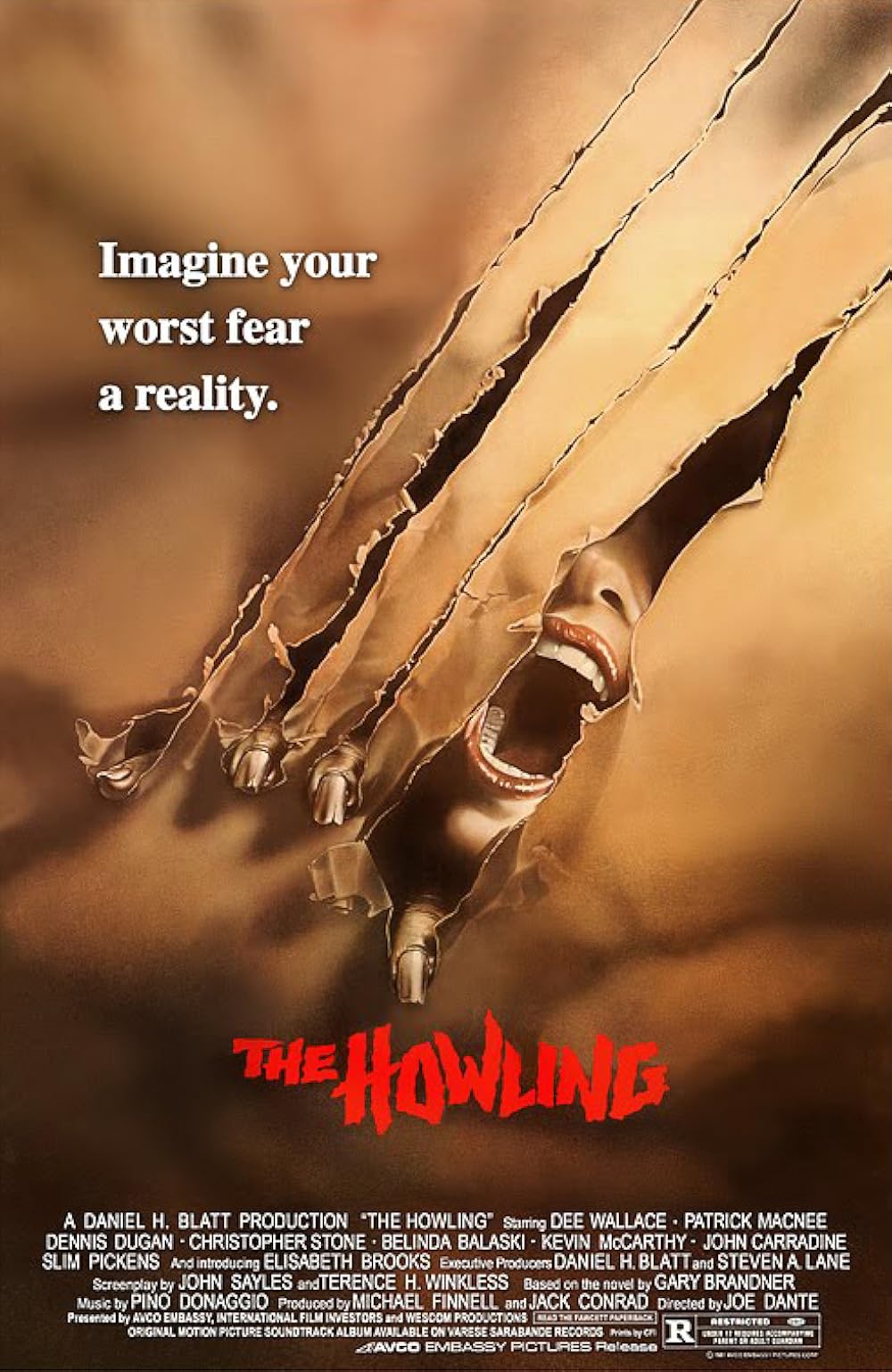

The Howling (1981)

I’m supposed to remember what the randomizers are that lead into the movie my podcast bids me watch, but I really very don’t. Werewolves and something else. ’80s? Could be that, for sure, but it sounds wrong. Either way, I had somehow never seen The Howling, and so here we are.

I imagine, had I known it was a Joe Dante film, I might have put in more effort.

So there’s a serial killer[1] stalking the streets of Manhattan, and that isn’t the only reason by a long shot that I felt this movie had strong giallo elements, despite being a creature feature. Dee Wallace who you may remember as the mother from Poltergeist a year later[2] is a TV reporter engaged in an implausible sting operation where since he’s been calling her and breathing heavily, they have a connection and she agrees to meet him in an adult arcade[3] on Times Square (probably), where he is promptly shot by police. Well, not I suppose promptly enough, since she is emotionally scarred by the whole ordeal first.

Therefore, she (and her husband) are sent off by Patrick Macnee[4] to one of those peaceful outdoor psychiatric retreats, where she can be regressed through hypnotherapy to remember what happened and ease her burdens, except instead of that her husband is being constantly seduced by a hot brunette while she is being tormented by one or more creepy dudes and meanwhile for no obvious reason her friends back in town are researching werewolves, and before you know it, the moon is out of the bag, if you catch my drift.

The effects were pretty decent, one or two literally animated transformations aside. We really lost something, when CGI came to horror. It’s great for action and sci-fi and whatever genre superhero movies are, but for horror and probably fantasy? Practical effects are just where it’s at.

To be clear, this was not a good movie, and I’m not recommending it or anything. But at the same time: monster movies are cool, you know?

[1] played by the Doctor from Star Trek: Voyager, but I could never see him well enough / in sufficient lack of makeup to recognize, and definitely didn’t by voice
[2] or from not confusing her with Dee Snider because nobody besides me does that
[3] I went to an adult arcade in downtown San Jose in the late ’90s, and it was one of the greatest disappointments of my life to learn that they just meant you could watch movies there, when I was expecting to play porn-themed video games to a bitchin’ ’80s soundtrack.
[4] Best known (to me at least) as Count Iblis in the original Battlestar Galactica show, which meant I immediately distrusted him.

Slaxx

On paper[1] (and to be 100% fair, influenced by my experience with Rubber), Slaxx is nearly the perfect movie for me, and I’ve been waiting for it to come up in my Shudder queue for years, while also being halfway afraid that whole time it would leave the service and I wouldn’t notice the doom approaching. So maybe that is just too much pressure?

The barebones plot is, there’s a new hire at a clothing store (like, the Gap but higher end / bigger name), and she’s extremely excited to be joining the company family. They have all natural, fair trade, non-exploitation branding, and a Steve Jobs type at the helm, and she’s exactly the kind of idealistic final girl type who wants to be all in on that. So naturally on her first day, she is exposed to that store’s staff, and they are all pretentiously adversarial, with a manager who is far too focused on his own career to worry about doing anything for his employees, and by the time the situation is firmly established, you’re already rooting for the killer jeans to arrive.

But the thing is… it just never lands. Despite, or possibly because of, the underlying cause of the bloody spree, I never felt what the movie wanted me to feel. Like, perhaps if the retail peon level people had not mostly been despicable in the first place, I could have latched onto the “real” story, but since I already wanted to see a comeuppance, the one that was offered just didn’t fit. It’s like in Friday the 13th. Pamela Voorhees hits differently if this batch of counselors actually deserves her wrath, versus if they’re just playing out roles in the play in her head that has no bearing on reality.

Despite all of that, the murder jeans were pretty cool. Which is not nothing.

I guess what I’m saying is, if you’re going to indict an entire industry, you murder the people who created it and the people who support it, instead of spending most of your time murdering the people who just work there for minimum wage. And if you’re going to make your targets a bunch of jerks that you root for dying, then don’t pivot into indicting an industry. The puzzle pieces just don’t fit.

[1] I mean this metaphorically, yes, since there’s no literal paper on which the plot and details of Slaxx are written down for me, but I also mean it literally, insofar as see the poster.

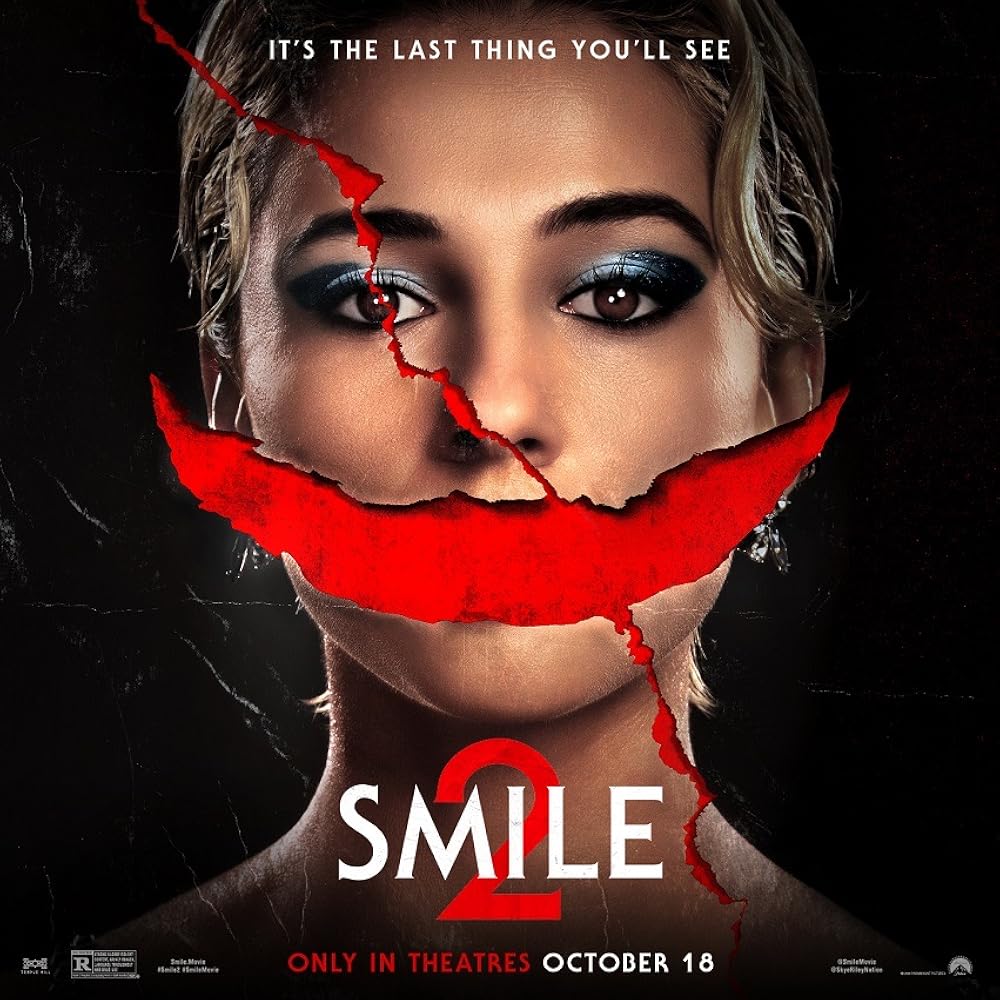
Smile 2

Remember Smile? Demony thing stalks and/or possesses a hospital trauma therapist who has just witnessed a horrific act of self-harm, and the main symptoms of said possession, prior to gruesome death, are losing time and seeing people oversmile creepily at you everywhere you go?

Smile 2 is very much like that movie, only instead of a deep metaphorical dive into the personal costs of providing mental healthcare, it follows a Taylor Swift-level superstar who lost everything to drugs and alcohol and is staging her comeback. Only, she makes a single impulsive (and low-key bad) decision that puts her in the wrong place at the extremely wrong time, and now people are smiling creepily at her.

Where the first movie was deeply horrifying and also an unpredictable mindfuck, this one is… well, the mindfuck part is gone because we know for sure that it’s real even if the afflicted character doesn’t, and the horror is not precisely gone, but it just feels mean-spirited this time. Not like it could happen to anyone, but like it is happening to this character because she deserves it. (Wondering whether she actually does deserve it or not honestly misses the point.)

In conclusion, not every horror movie needs to be a franchise.

But, if you’re into body horror, there was some stuff with hair that was really making me squirm.

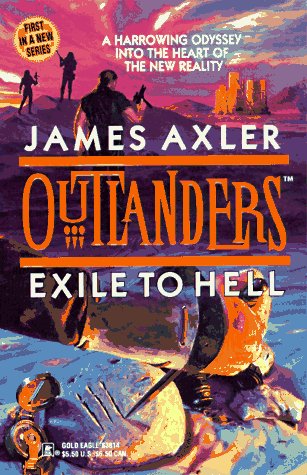
Exile to Hell

I have reached the point in the Deathlands series where it has become two series. Which is weird. Now, if I understand the release schedule correctly, I’ll be alternating between the two series. It is very clear that Outlanders is in conversation with the original, but less clear if it will be a two way conversation. We’ll see, I guess!

Exile to Hell is set another hundred years in the future. That is to say, two hundred years after World War III all but wiped out humanity and gave rise to monstrous mutations both within and outside of humanity. And one hundred years after Ryan Cawdor, Mildred Wyeth, and friends have been striding the so-called Deathlands that are what remained of the United States.

So, what’s different? A lot of things, as it happens. Most importantly, the mostly horrible Barons who run the mostly horrible various settlements have come together and consolidated their power[1]. They have nine much larger fiefdoms in which all of the healthy, happy, neatly contained and regimented and let’s be honest controlled people live, while everything outside the barons’ control is known as the Outlands. Yes, another hundred years means that much less radiation and associated horrors, but it’s still not great out there, Bob.

Also, our characters are pretty different. Okay, is there a main character, his military buddy, a redhead, an old dude straight out of the past, and an albino? When you put it like that, you’re undercutting my point, fine. But my point is, the main character? He’s one of his baron’s secmen, now called magistrates. They have the tech and the firepower to be nearly invulnerable. We’re talking hardcore body armor, the best guns[2], black freaking helicopters. You go up against them? You lose. Kane really could not be more different from Cawdor, viewed through the lens of the latter’s adventures so far. And Krysty Wroth’s ginger mutant has been replaced by Brigid Baptiste’s ginger historian who Knows Too Much(tm). (The other characters, it’s too soon to tell yet.)

But the biggest difference is the environment. This is not (yet at least) a survivalist series. Civilization has begun to return. The redoubts full of teleporters are still a feature of the series, but it turns out they’re the tip of the iceberg. The old questions were “where are we going next using this tech we barely understand, and who will we have to kill to save people and then get back to the mysterious tech and jump to the next place?” The new questions are “where did this technology come from, really, and once we know the answer, are we content to live with it? Or should Something be Done?”

So, as I said, I’m really interested in seeing whether the Deathlands are in conversation with this series, and what secrets each will reveal going forward.

[1] Does this make future Deathlands volumes feel a little less hopeful than they had up to now? Prospectively, it does. All the work they’ve been doing to free people and wash away the human horrors, and, a generation or so later, it was for nothing? Yikes.
[2] I mean, obviously. Whatever else these books are, they’re still in the genre that glories in describing gun models, ammo types, and what that ammunition does to a body.

G20

Having watched the film, here is what I know about the plot of G20.

President Viola Davis is trying to solve world hunger and feed farmers in Africa, or something like that, at the expense of American voters (her opponents say) or to keep the dollar from collapsing (her other opponents say). It was never clear to me how these facts interact, nor how switching to a new worldwide currency[1] would fix hunger. Or necessarily how it would destroy America, for that matter.

Anyway, what’s important is her plan is somewhat unpopular, her teenage daughter is extremely rebellious and tech savvy, and the whole family is headed off to South Africa for a G20 summit where she will try to convince the other major nations of the world to sign off on her plan, whatever it actually is. Unfortunately for her and other world leaders[2], Homelander (but without his powers and with a non-specific accent that is later claimed to be Australian, but I dunno about that) has a plan to kidnap all of them and destroy the world economy so he can make some money off crypto.

Premise established, now it’s time for the explosions and gunfire. The only thing that separates this from any other political action movie is that Viola Davis is the action star. Gonna be honest, that’s what won me over here, and now that I’m out the other side? No regrets. (But I doubt I would have gone to a theater for it, so nicely done, Amazon, for going straight to streaming.)

[1] If that’s even what was being proposed? I am forced to admit that I must have missed some of the early film exposition, or else this never even tried to make sense. One of the two.
[2] Including Russia, China, Turkey, Britain, South Korea, implied Saudi Arabia, and 13 unspecified others, though one supposes the actual Group of 20 is fairly static and it would be easy to learn who would be expected present.
[3] Depending on how you count, there were either a lot more than 19 captives, or there were 18. But that doesn’t flow as well I suppose.

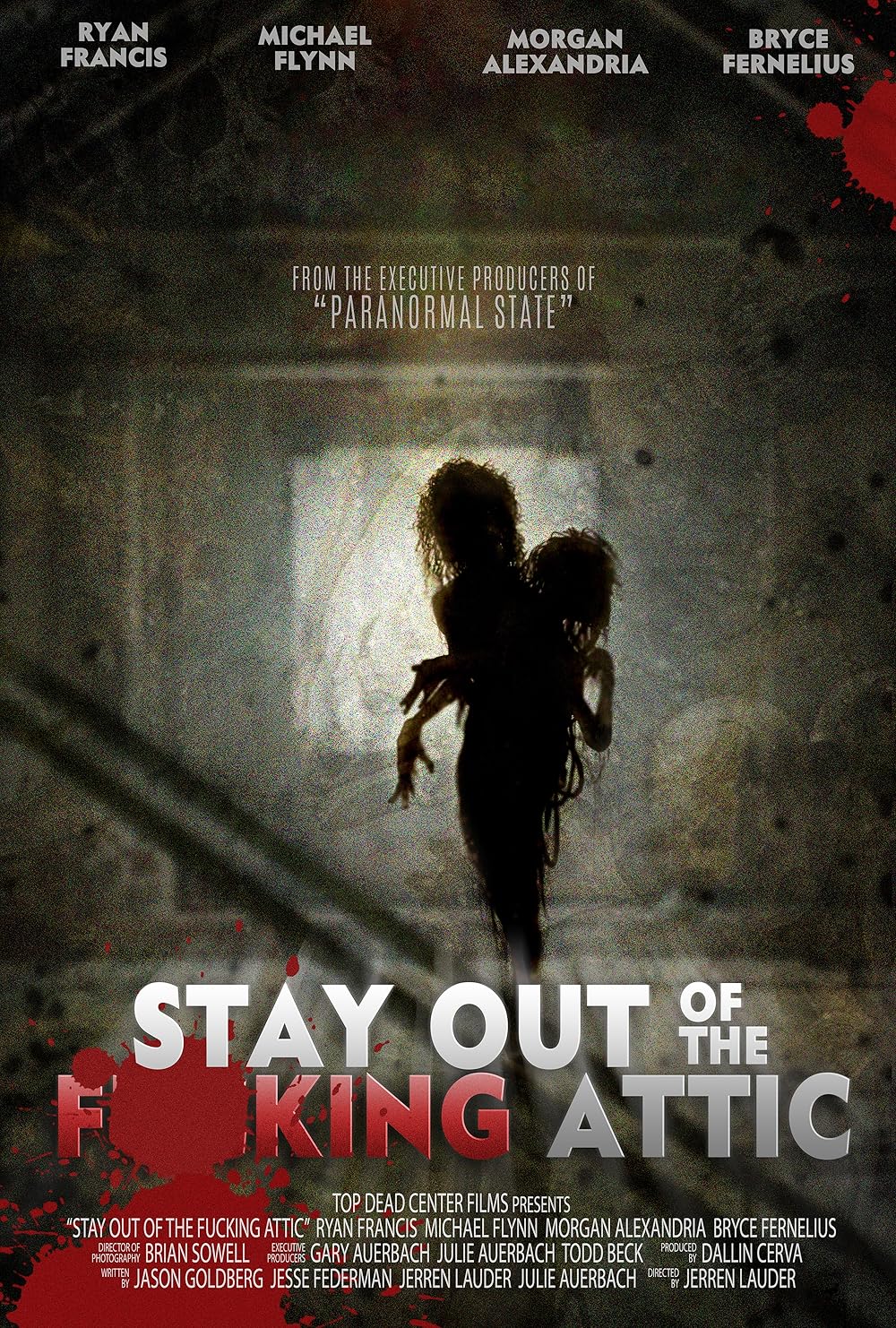
Stay Out of the F**king Attic

I want to say that the best thing about Stay Out of the F**king Attic is its title, but I feel like I can’t say that. It’s true, but it’s very prejudicial. What you need to understand is just how perfect the title is. With the inclusion of an advertising budget and Samuel L. Jackson, this could have been the Snakes on a Plane of its generation.

Still, to be clear, it was not that, and the movie is as it happens only okay. But good god that title.

An old German man living in an old and run down Victorian house has hired Fresh Start Moving Company to empty out his house, and that by morning. Which is nearly impossible for the three person outfit, all of them recently from prison, and so you see how the company name is a double meaning, right? So he sweetens the deal with loads of cash, plus the instruction to stay out of the basement and the attic, he’ll deal with those.

And that right there is the whole movie, minus one or two twists. At 80 minutes, it feels propulsively fast as soon as the obligatory packing and lifting montage is set aside in favor of, you know, the attic. It even maybe has something to say about the possibility or impossibility of redemption. Like I said, it’s not a bad movie. It’s also not a great movie, but if you miss the days when Nazis were the bad guys in movies instead of history recycled before your very eyes, this might be the very last gasp of that genre.

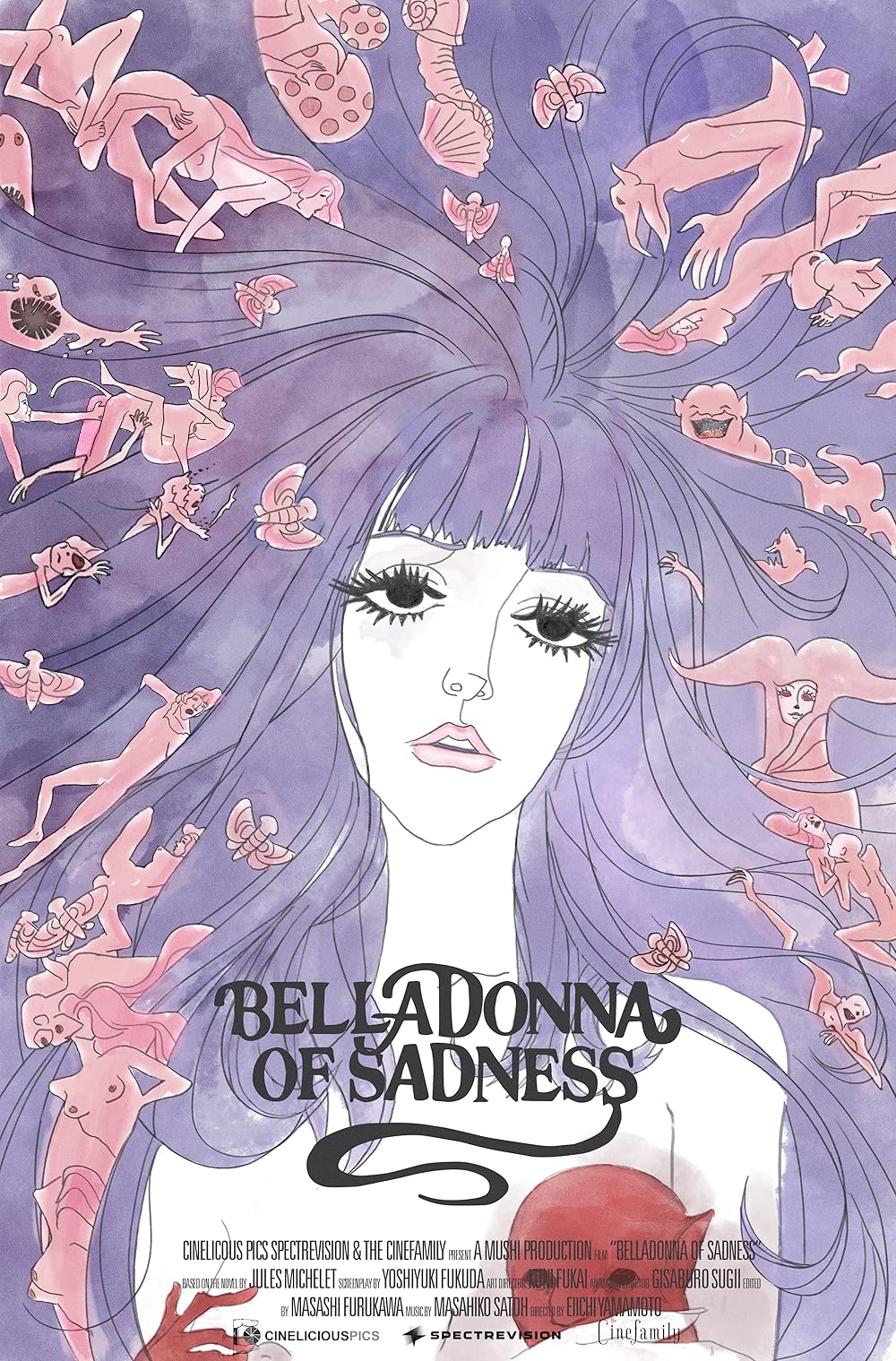
Kanashimi no Beradonna

I’m again a long time between episodes of my nominally weekly horror podcast, partly due to difficulty finding a copy of the current movie that I could watch, but I think mostly due to being sick for the greater part of a month and falling behind on podcasts in general. I know one of the categories was revenge, but I don’t remember if that was the style or the monster, and I cannot remember what the other category was at all. (One supposes if I could, I’d also know which was which.) But I think revenge must be the monster die. Style could be a lot of things, but this is a 1973 anime named Belladonna of Sadness, so one supposes the style was Asian, or animated films, or not very plausibly 1970s. Just because of the glut of revenge movies from that decade, I mean.

Of course, I could be wrong about any of these facts, aside from what the movie was I mean. I’d check, but I’ve written way too much for that to make sense at this point.

There was a movie, I was saying. If I’m being real, I have no way to usefully talk about this movie without massive spoilers. Here’s what I can say before I reach that line: Belladonna of Sadness is a wildly stylized and yet minimally animated[1] movie about a medieval European, probably French, village in which a very much in love couple gets married, like you do, but then nothing whatsoever goes well for them for the remainder of the flick.

Okay, I’m not going to explain the plot point by point, because for one thing I don’t think I could anyway, but either way, definitely spoilers from here on in. Cut below the footnote.

[1] In the sense that there isn’t a lot of animation. There’s a lot of art, which the camera pans across, and sometimes small pieces of the art move in small ways. And sometimes it goes crazy. But mostly: very minimalist, from an animated perspective.

Continue reading

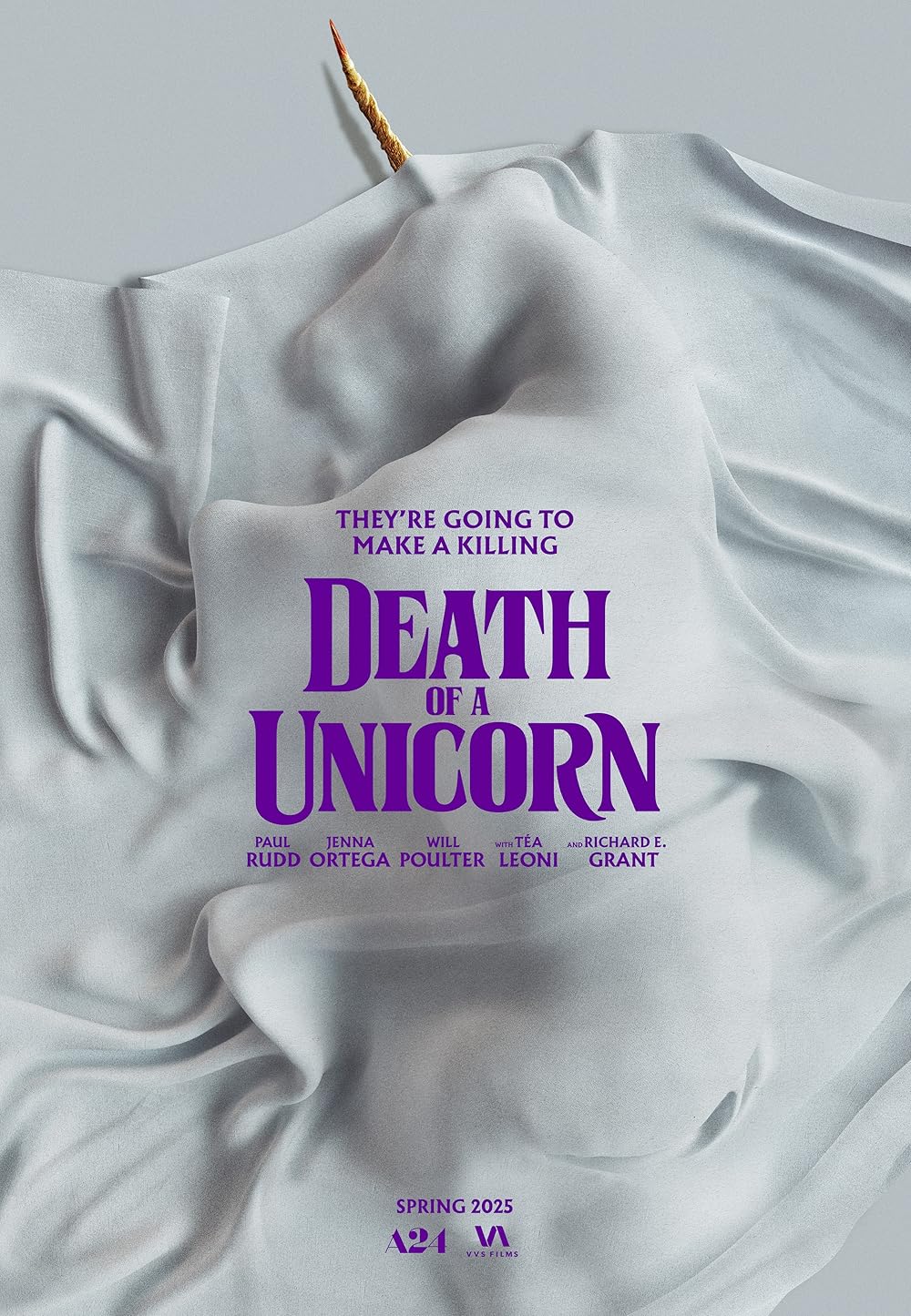
Death of a Unicorn

Last night, I saw a sneak preview for Death of a Unicorn[1] at the Alamo Drafthouse[2], which comes out today or Friday and so I must quickly review, lest it all have been in vain. Unfortunately, despite the straightforward spoiler of the title, it is somewhat difficult to describe.

Okay. You know Mary Poppins? I’m sure there’s a better example, but I cannot think of one. Anyway, if you leave Mary Poppins out of the movie, it’s fundamentally a movie about a dad[3] who spends too much time at work focused on his career, when really all his kids want is more time with him, not the things he provides for them by working so much? Paul Rudd plays about as far against type as I can imagine in the role of that dad, and his nebbishy helplessness really makes it hard to believe, even though the character is written in a way where it could still work. It’s not to say he was bad in the role, just that I think the casting was too far of a stretch.

Anyway, he and his thankfully college-aged daughter Jenna Ortega are travelling to a corporate retreat where Rudd is hoping to get the promotion that will, after a few years, have them set up for life where she’ll never want for anything ever again, and it’s clear Ortega has heard this song and dance before, because she could not be more done with it. And this “will he or won’t he” family drama schtick might easily have been the entire movie, except that while driving through the nature preserve toward their destination, distracted by a fight and allergies, he plows into a little white horse crossing the road.

Well, okay, it’s not a horse.

A handful of other events ensue, and also the remainder of the cast is introduced, and now the movie is instead (also? probably also) about what the several characters will do with the situation that has fallen into their laps. Have they a panacea? A miracle that will change the world? A way to get rich beyond any dream of avarice? Or, based on Ortega’s research into a pretty cool series of real life tapestries, do they simply have a problem?

One of the genres into which this movie falls should provide a hint.

[1] Eagle-eyed subscribers to this site will note that I did not see Captain America 4, about which fact I have a pretty complicated set of emotions. But it’s probably indicative of something. Especially since the odds of another date night before it leaves theaters is…. low.
[2] Side note from the half hour of cool random film geekery: did you know that the Three Stooges made a movie (well, probably a short, but I don’t know for sure) about traveling to Venus to meet a unicorn, and also it was a musical, and also it was in 1959??? I knew Moe lived into the 1970s, but I had no idea they were still working that late! …and still in black and white that late, though if it were made for TV I guess that would not be weird after all.
[3] I wonder if they’ve ever made this movie about a mom. I think they have not.

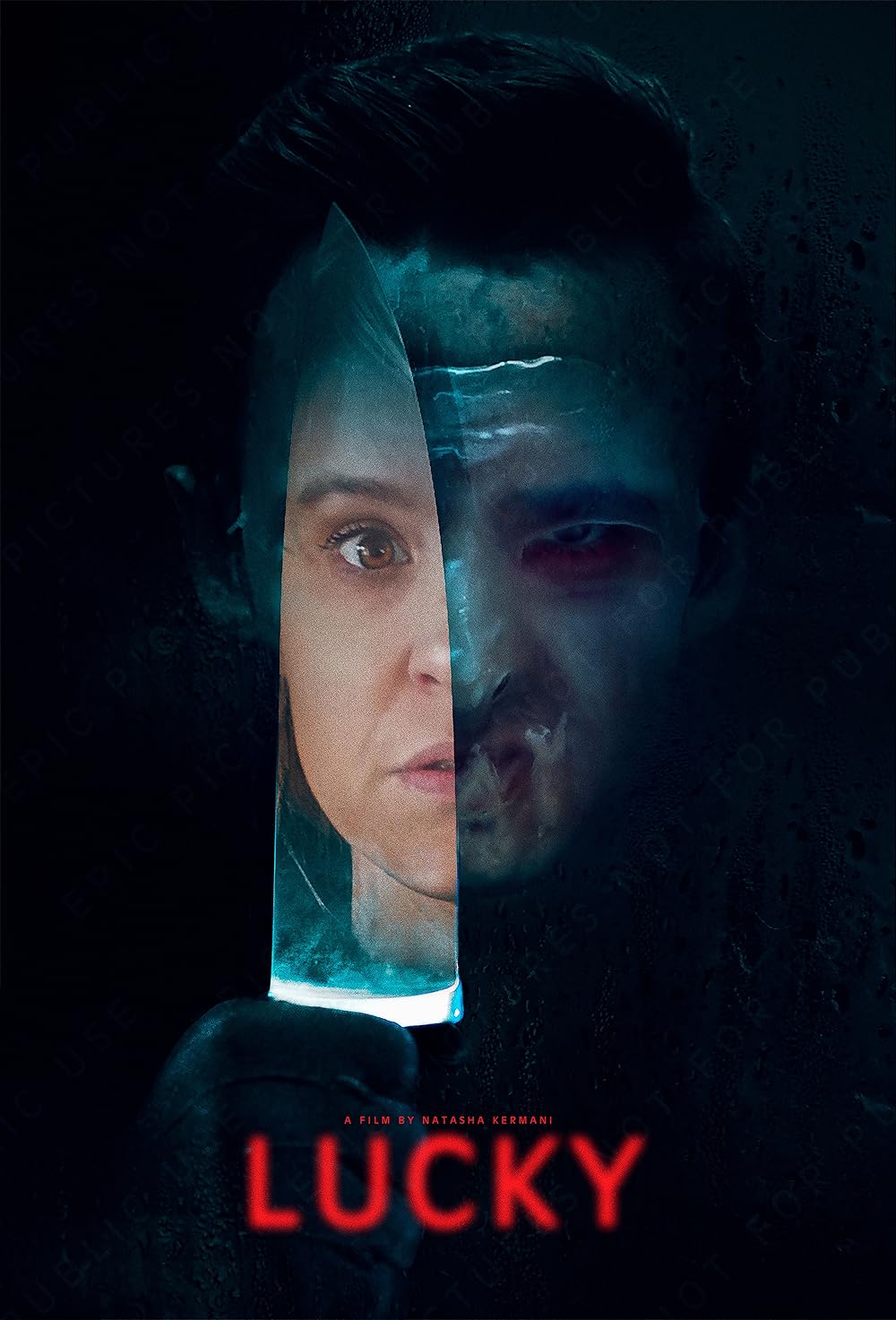
Lucky (2020)

I don’t know that I exactly liked Lucky, but I respect the amount of catharsis it must have provided for the writer / star, Brea Grant, and probably for a non-trivial number of people who have watched it.

So there’s this self-help author whose premise is Go It Alone, ie how to fix yourself instead of relying on someone else to fix you, and that premise was a best selling big hit with multiple printings, but now the publisher is not sure if they even want her next book, plus she doesn’t especially have one. Okay, fine, but then at night in bed with her husband, she sees someone outside, and he’s very blasé about how it’s the guy who comes to kill them every night. She is understandably confused about this, so he calls her a drama queen and leaves.

And then the dude comes back. And keeps coming back. Unraveling what the actual hell is going on constitutes the remainder of the movie. We learn more about May, more about her husband, a little more about her career, and a lot more about how capable she is at self-defense / how incapable the dude is of killing her. It’s sometimes pretty funny, usually mind-bending, eventually over the top in a way that was probably not necessary to get the point across, and ultimately a little opaque right at the end, post- the Message Received part.

I think the best chance this has to be a good movie instead of a useful one is if it was a critique of her self-help premise, in addition to the rest of what it was, which was a metaphor about the lived experience of American women. But I’m not 100% sure if it actually was both, since, like I said, it’s a little opaque. Probably it lost its way making sure we got the metaphor part.

All in all, I preferred Promising Young Woman.