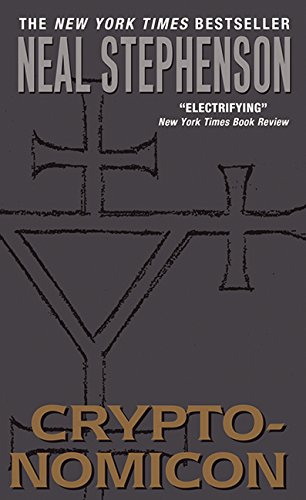
The local friend with whom I’ve been reading graphic novels in tandem got a bit backed up toward the end of the year, to the point where even though I read Cryptonomicon, he was still behind. (I know, right?!) So I took the opportunity to grab something on the comic shelf that I know for a fact he has no interest in, the first Buffy comic collection. I mean, not the Season 8 thing that’s out right now; those are unfortunately unreviewed because I’ve been getting them one at a time and haven’t bothered with the collected version[s] yet. This is instead a series that was running concurrently with the show, back when I was far less comic-inclined. And even then, I doubt I’d have bothered; the purchase was definitely inspired by the Season 8 run. Anyway.
It was… not exactly what I expected, but pretty good! After a brief digression in which Spike saves the world from Cthulhu in the 1930s, the rest of the (out-of-publication, in-story-chronology order) book covers Buffy’s first days as Slayer, from a non-camp version of the movie through her next few months between burning down the gym and moving to Sunnydale. I have fonder memories of the movie that most Buffy fans, apparently, because the only piece of camp I noticed missing was that Paul Reuben’s vampire was actually a lieutenant vampire instead of a giant dork; the rest pretty much reminded me of exactly what I saw on screen, although admittedly it’s been a while.
The remaining stories explain the disappearance of Pike as well as Buffy’s experience with mental health professionals in the wake of her parents first learning about (and ultimately dismissing as fictional, of course) her new duties. Both felt very much like episodes of the series, which gives me hope that I’ll enjoy future volumes. The one odd spot was the presence of Dawn; of course Buffy would remember her presence, and I have no real complaint anyway because she was quite well done and enjoyable, but the story that had Dawn without Buffy required some mental gymnastics to accept. I know she remembers her life too, and that things related to Buffy would have impacted her. Really, it was no worse than any time travel fiction; it was just an odd choice. But, I reiterate, ultimately a good one!
The art, um, well, pretty much everything else I read is superior. But I’m pretty confident there are a large number of things I don’t read that are still worse, so there’s that?
 This review is somewhere between days and weeks late; I just haven’t simultaneously felt like writing anything and had time to. I’m not entirely clear on whether that confluence of events has in fact occurred now, but I pretty much have to get over the hump, right? The sad part is, I absolutely adored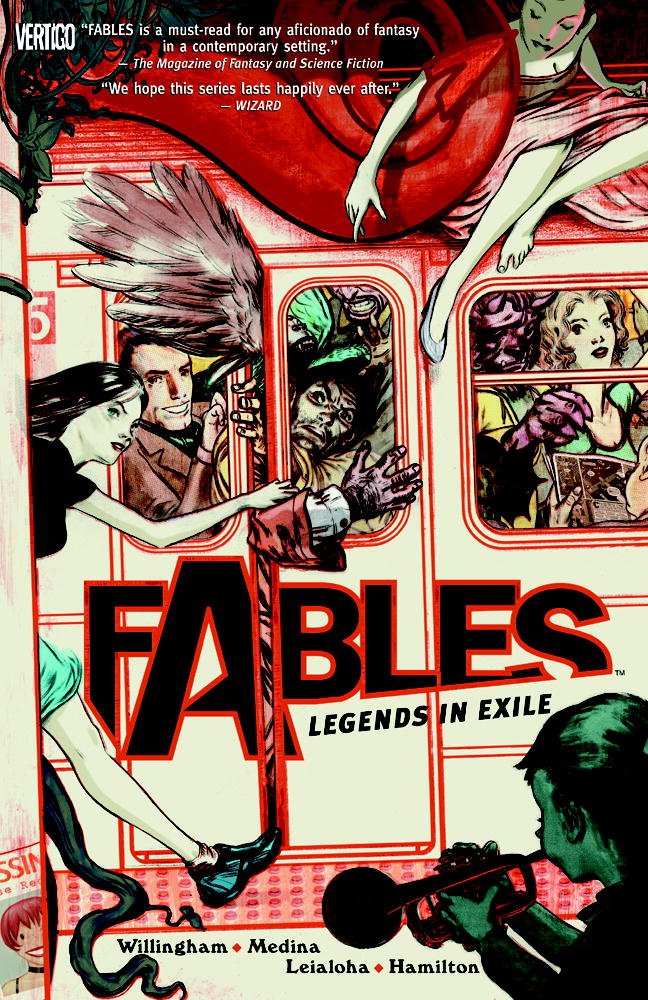
 Far back in the mists of Delirium’s history (er, the site, not the girl), I read
 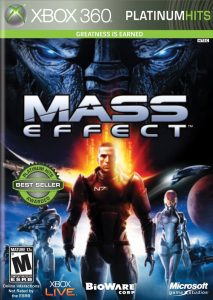 One sign of an extremely good video game is that it would be almost easier to describe it as a movie and leave out the game elements entirely. Well, okay, that may not be true. But if the reason you want to leave out the game elements is that they were so seamless and non-intrusive that you only very occasionally even felt like you were playing something instead of watching it and influencing the outcome, that would be good. It would also be a good sign if your father, no stranger to games even if he’s not the gamer type, were to ask you after watching the last 15 or 20 minutes of the game to clarify that it was in fact a game, and not a movie.